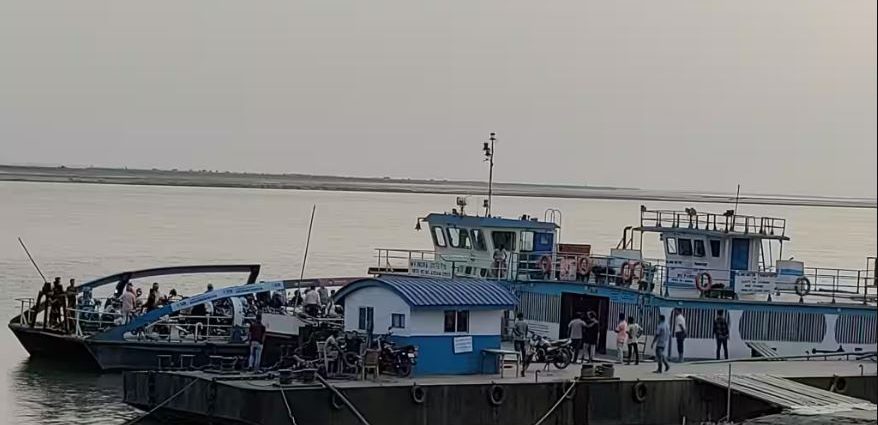
Guwahati, September 10: With the Brahmaputra and Barak rivers crisscrossing its landscape, Assam has long relied on river ferry services as a vital mode of transport. Even in the age of bridges and highways, ferry services continue to serve as a lifeline for thousands of residents living across riverine and island regions.
Operated mainly by the Inland Water Transport (IWT) Department of Assam, these services provide affordable connectivity where road infrastructure remains limited. In addition to passenger movement, ferries play a crucial role in transporting vehicles, goods, and agricultural produce across the state.
Major Ferry Sectors in Assam
Ferry services are operational in nearly every district adjoining the Brahmaputra and Barak rivers. Key sectors include:
- Guwahati – North Guwahati
- Nimati – Majuli – Aphalamukh
- Dhubri – Fakirganj – Hatsingimari
- Kamlabari – Neamatighat
- Dibrugarh – Majuli – Sengajan
- Tezpur – Silghat
- Kaliabor – Rowmari
- Lakhimpur – Dhing – Bihpuria
- Karimganj – Badarpur (Barak Valley region)
Among these, the Majuli ferry route remains the most significant, connecting the world’s largest river island to the mainland and serving as the cultural and commercial bridge for thousands of islanders.
Modernization and Expansion of Ferry Services
In recent years, the IWT Department has introduced Ro-Pax (Roll-on/Roll-off Passenger) vessels such as MV Bhupen Hazarika and MV Mahabahu Brahmaputra, capable of carrying both passengers and vehicles. These modern ferries have reduced travel time considerably and improved safety standards.
The government is also investing in modern terminals, solar-powered jetties, and GPS-based navigation systems. Safety equipment such as life jackets and buoys has become mandatory, especially on major routes.
Assam’s river ferry services remain not just a mode of travel but a symbol of resilience and heritage—sustaining livelihoods, boosting tourism, and connecting communities across the state’s ever-flowing waterways.
